
While doing sports is healthy, there is risk involved. For example, a concussion after a fall or collision, or the risk of chronic brain injury from repeated blows or knocks to the head. In its advisory report – Headmatters – the Netherlands Sports Council (NLsportraad) calls on the sports sector and government to protect athletes, and especially young athletes, from brain injury. The report was presented to State Secretary Tielen (Health, Welfare and Sport)
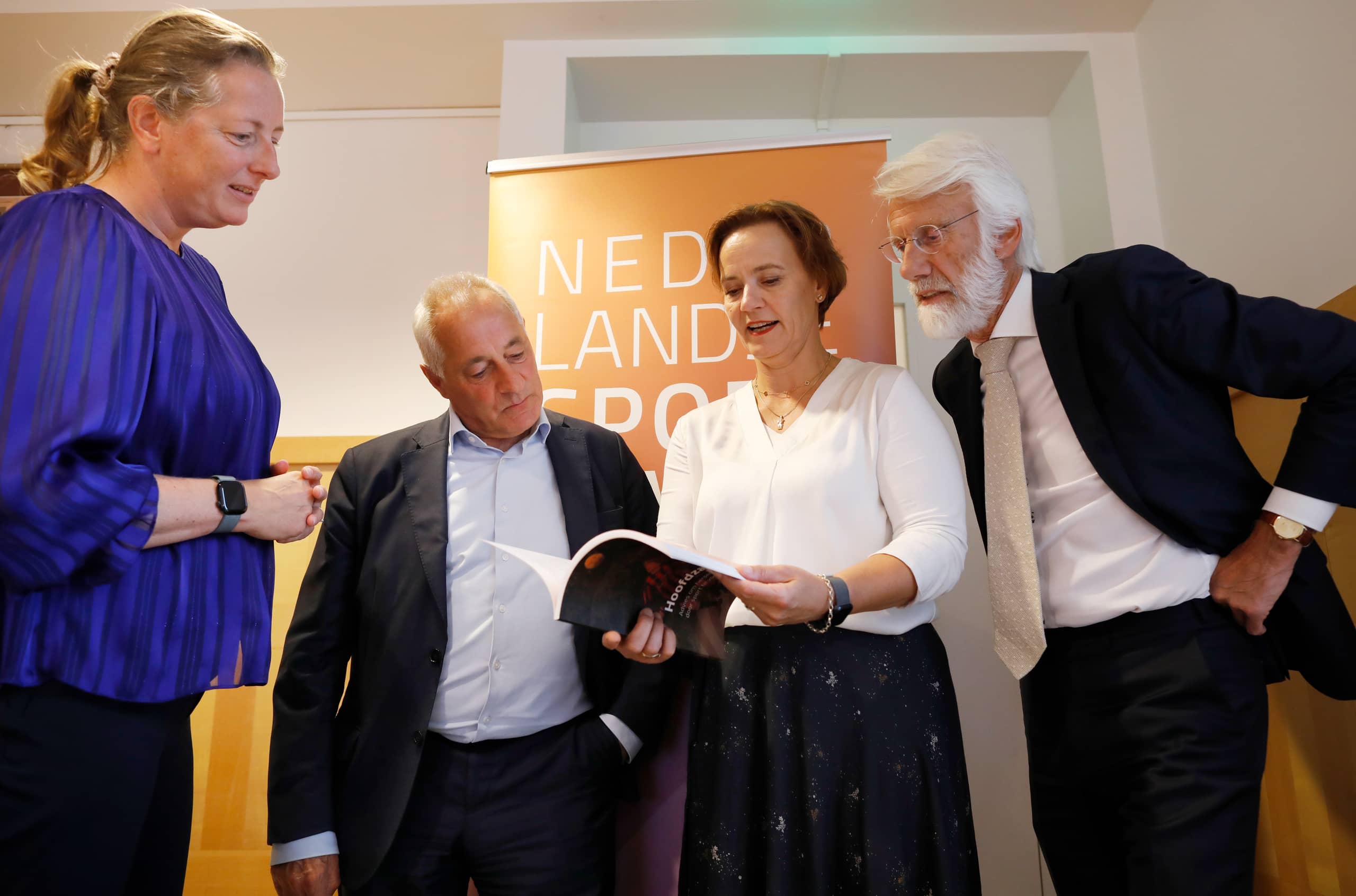
Beeld: Wiebe Kiestra
In its advisory report, the Netherlands Sports Council provides practical advice, based in part on the scientific advisory report that the Health Council published in early June 2025. The latter report showed that repeated blows or knocks to the head increase the risk of chronic brain injury (including dementia). Children and adolescents are especially vulnerable as their brains are still developing. Despite our growing scientific knowledge of the risks of repeated head contact, the Netherlands Sports Council still believes it is legitimate to put tangible measures in place against sports-related brain injuries at this stage.
The Netherlands Sports Council advises the following:
- Introduce a ban on children up to the age of 12 heading footballs, taking punches to the head in martial arts and tackling in rugby; also strongly discourage this up to the age of 18. Advise adults to reduce repeated head contact;
- Introduce a helmet requirement in sports where there is a risk of falling, e.g. equestrian sports, cycling, skiing and skating. Make helmets compulsory in organised competitions and at official sports venues; helmets should be strongly recommended during training sessions;
- Improve coordination between sport and care, including unequivocal guidelines to be applies when individuals are recovering from brain injuries;
- Appoint a national centre of excellence for knowledge and research.
In its advisory report, the Netherlands Sports Council considers medical risks of brain injury with a legal and sport organisational perspectives. Chair Tom van 't Hek: "We hear the alarm bells, but we just don’t know exactly when they’ll go off yet. Caution is advised where the brain is concerned. Which is why our advice is that it is better to err on the safe side." He stresses that the enjoyment of sport, well-being and safety can go hand in hand. "Smart measures make it possible to reduce the risk of brain injury without reducing people’s enjoyment of sport. What is more, they can make sport healthier and more attractive in the long term."